
0
0,0₫
0 items
Indian cuisine is an enchanting realm of diverse flavors and captivating spices, renowned for its artful use of aromatic ingredients. Join us, as we embark on a flavorful journey with Tandoor Vietnam Indian Restaurants to explore the enchantment of leaf-derived spices, integral to the tapestry of India's culinary landscape.
Basil leaves, not limited to Italian cuisine, have earned their place in the heart of Indian culinary artistry. Infusing dishes with a characteristic freshness and delicate green hue, Basil is a star in the creation of Indian delicacies like Basil Chicken Tikka. Moreover, it offers a plethora of health benefits, rich in vitamin K and magnesium.
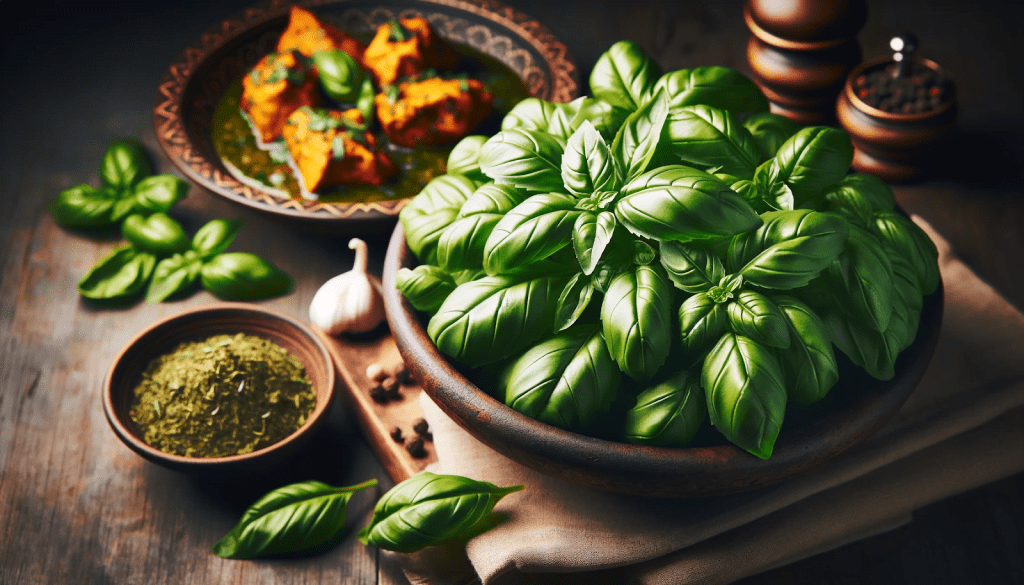
Curry leaves aren't just a spice; they symbolize the essence of Indian cooking. They lend their unique and distinctive flavors to an array of dishes, from tofu to grilled meats. Often added to the pot alongside a medley of spices, these leaves infuse richness and depth into Indian curries, while offering health benefits, including blood sugar control and antioxidant properties.

Methi leaves, also known as fenugreek leaves, boast a unique flavor profile, combining bitterness and sweetness. These leaves are key players in dishes like Methi Chicken or Methi Aloo, imparting an unmistakable character. Indians make ingenious use of both fresh and dried Methi leaves, preserving their distinctive taste throughout the year.

Thyme leaves, known as Basil leaves or Murraya leaves, grace dishes like Biryani and Karahi with their signature aroma. They elevate the fragrance of a dish and harmonize its diverse ingredients. Beyond flavor, Basil leaves offer digestive benefits, vitamins A and C, and anti-inflammatory properties.

Coriander leaves, often referred to as cilantro leaves, are ubiquitous in Indian cuisine, appearing in dishes like Chana Masala. Their fresh and unique flavor balances other spices, enhancing the appeal of every dish. Coriander seeds, another prized spice, are also integral to Indian culinary creations, promoting digestive health and providing essential minerals.

Cilantro leaves, also known as coriander leaves, are a staple in Indian kitchens. They serve as both a garnish and a flavor enhancer, contributing a fresh aroma and characteristic taste to dishes like Paneer Tikka and Chaat. These leaves are often reserved for the finishing touch, preserving the dish's fragrance and vibrant colors.

Mentha leaves, or mint leaves, infuse a gentle and invigorating aroma, often gracing dishes like Raita. Their distinct flavor balances other ingredients, creating a harmonious composition. Beyond their culinary role, Mentha leaves soothe digestive woes, reduce stress, and induce relaxation.

Indian cuisine is a tantalizing symphony of flavors and a captivating exploration of spice-infused leaves. From the fresh allure of Basil leaves to the richness of Curry leaves and the aromatic charm of Cilantro leaves, each leaf carries its own unique story and taste.
At Tandoor Vietnam, we invite you to embark on an unforgettable culinary journey, where you can experience the enchantment of Indian flavors firsthand. Reserve your table today and join us in savoring the magic of Indian cuisine!
Leafy spices, Indian herbs, curry leaves, fenugreek, basil leaves, coriander leaves, cilantro, mint leaves, dill leaves, Indian cuisine, aromatic herbs, traditional Indian cooking, health benefits of herbs, Indian culinary traditions, fresh herbs in cooking, Indian spice blends, vegetarian Indian dishes, Indian food culture, herbal remedies in cooking, Indian cooking techniques, Indian food ingredients
* Please note that these images are illustrative and may not always represent the exact presentation of dishes at Tandoor Restaurant, as they are designed specifically for this article.
Indian cuisine is renowned for its rich tapestry of flavors, colors, and aromas, largely attributed to its diverse array of spices and legumes. These ingredients not only elevate the taste of dishes but also offer numerous health benefits. In Vietnam, where fresh herbs and bold flavors are cherished, integrating Indian spices and legumes can add a delightful twist to traditional recipes.
Often referred to as the "golden spice," turmeric is celebrated for its active compound, curcumin, known for its anti-inflammatory and antioxidant properties. Incorporating turmeric into your diet can support joint health and enhance brain function.
Ginger adds a zesty kick to dishes and is renowned for its digestive benefits. It aids in alleviating nausea, reducing inflammation, and boosting the immune system. A staple in both Indian and Vietnamese kitchens, ginger can be used fresh, dried, or ground.
Garlic is more than just a flavor enhancer; it's a powerhouse of nutrients. Rich in antioxidants, garlic supports heart health, strengthens the immune system, and may even have cancer-fighting properties. Its bold flavor profile complements a wide range of dishes.
Cumin seeds impart a warm, earthy flavor to dishes and are known for their digestive benefits. They stimulate the production of digestive enzymes, reduce bloating, and may help regulate blood sugar levels.
Both the seeds and leaves of the coriander plant are used in Indian cuisine. Coriander seeds are rich in antioxidants and have been shown to lower cholesterol levels, improve digestion, and boost the immune system. The fresh leaves add a refreshing flavor to dishes.
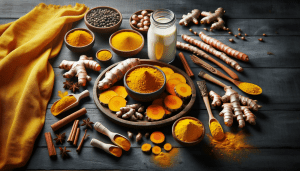
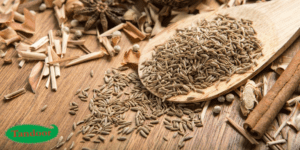

Lentils are a staple in Indian cooking, offering a rich source of plant-based protein and fiber. They come in various types, including masoor (red), toor (yellow), and moong (green), each lending a unique texture and flavor to dishes. Lentils are versatile and can be used in soups, stews, and curries.
Chickpeas are widely used in Indian cuisine, featured in dishes like chana masala and hummus. They are high in protein, fiber, and essential vitamins and minerals, supporting heart health, digestion, and weight management.
Kidney beans are commonly used in North Indian cuisine, particularly in the dish rajma, a hearty curry. They are rich in protein, iron, and fiber, making them an excellent choice for vegetarians and vegans.
Black-eyed peas are used in various Indian dishes, such as lobhia curry. They are a good source of protein, fiber, and essential nutrients, supporting overall health and wellness.

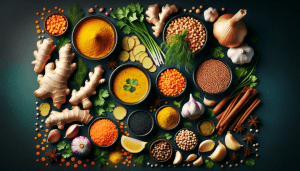
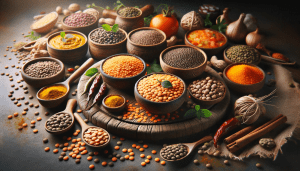
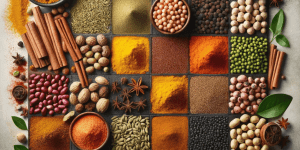
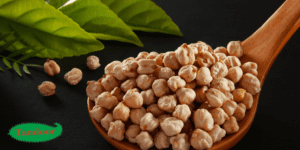
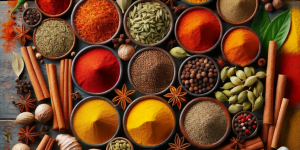
The bold flavors of Indian spices and the hearty nature of legumes can complement Vietnamese dishes beautifully. Here are some ideas to incorporate them:
Turmeric in Pho Broth: Add a pinch of turmeric to the broth for a vibrant color and subtle earthy flavor.
Ginger in Stir-Fries: Incorporate fresh ginger into stir-fried vegetables or meats for a zesty kick.
Garlic in Dipping Sauces: Enhance dipping sauces with minced garlic to add depth and aroma.
Lentils in Soups: Introduce lentils into traditional Vietnamese soups for added protein and texture.
Chickpeas in Salads: Add cooked chickpeas to salads for a hearty and nutritious component.
By experimenting with these ingredients, you can create fusion dishes that honor both Indian and Vietnamese culinary traditions.
In Ho Chi Minh City, several markets and stores offer a variety of Indian spices and legumes:
Ben Thanh Market: A bustling market where you can find a selection of spices and dried legumes.
Annam Gourmet Market: Offers a range of international ingredients, including Indian spices and legumes.
Indian Grocery Stores: Dedicated stores specializing in Indian products, providing a wide array of spices and legumes.
Exploring these places can help you source authentic ingredients to recreate Indian dishes at home.
To help readers better understand the connection between popular Indian dishes and the key spices and legumes that define their flavors, we’ve included this reference table at the bottom of the article. It clearly highlights which ingredients—such as turmeric, ginger, garlic, lentils, chickpeas, cumin, and coriander—feature in each recipe, making it easier for home cooks and food enthusiasts to identify the essential components that create authentic Indian tastes. This table serves as a quick guide for meal planning, ingredient selection, or even recreating these dishes in your own kitchen while appreciating the aromatic and nutritious foundations of Indian cuisine.
| RECEIPE LINK | TURMERIC | GINGER | GARLIC | LENTILS | CHICKPEAS | CUMIN | CORIANDER |
| Butter Chicken | yes | yes | |||||
| Chana Masala | yes | yes | |||||
| Biryani | yes | yes | yes | ||||
| Aloo Gobi | yes | yes | yes | ||||
| Dal Makhani | yes | yes | yes | ||||
| Chicken Tikka Masala | yes | ||||||
| Baingan bharta | yes | ||||||
| Tandoori chicken | yes | ||||||
| Daal Tadka | yes | ||||||
| Chana Masala | yes | yes | yes | yes | |||
| Sambar | yes | ||||||
| Aloo Baingan | yes | ||||||
| Bhatura | yes | ||||||
| Chole Bhature | yes | ||||||
| Jeera Rice | yes | ||||||
| Aloo Jeera | yes | ||||||
| Lamb Rogan Josh | yes | ||||||
| Pulao Rice | yes | ||||||
| Aloo Tikki | yes |
Indian spices and legumes are not only flavorful but also packed with health benefits. Incorporating them into your cooking can enhance the nutritional value of your meals and introduce new taste experiences. Whether you're preparing traditional Indian dishes or experimenting with fusion recipes, these ingredients offer versatility and depth. Embrace the aromatic and nutritious world of Indian spices and legumes to enrich your culinary repertoire.
Call to Action: Ready to explore the vibrant flavors of Indian cuisine? Visit Tandoor Vietnam to experience authentic dishes made with the finest spices and legumes.
Indian spices, Indian legumes, health benefits of spices, culinary uses of spices, turmeric, cumin, coriander, lentils, chickpeas, Indian cooking techniques, vegetarian cuisine, vegan dishes, authentic Indian flavors, Indian cuisine in Vietnam, aromatic ingredients, nutritious Indian food, traditional Indian recipes, flavor profiles, Indian pantry essentials, cooking with spices, plant-based protein
At Tandoor Saigon, food is more than flavor — it’s a celebration of color, aroma, and heritage. Every dish tells a story shaped by centuries of Indian tradition and the magic of spices that transform simple ingredients into something memorable. For over two decades, Tandoor has been serving authentic Indian cuisine in the heart of Ho Chi Minh City, introducing locals and travelers to a world of fragrant curries, soft naan, and slow-cooked perfection.
In this article, we explore five unique Indian spices and ingredients that define Tandoor’s signature dishes. Each one brings its own charm, health benefits, and depth of flavor to the menu — from fiery chili to fragrant rice.

Kashmiri chili is one of India’s most prized spices. Unlike its name might suggest, it isn’t overwhelmingly hot. Instead, it adds a deep red hue and mild, fruity warmth that enhances both flavor and presentation.
At Tandoor Saigon, Kashmiri chili shines in dishes like Rogan Josh and Butter Chicken, where it balances the richness of the sauce with its subtle spice. The chefs use it carefully to bring color without overpowering the other ingredients, achieving that signature deep crimson glow that makes Indian curries so irresistible.
Beyond its beauty, Kashmiri chili is rich in antioxidants and vitamin C, supporting metabolism and immune health. It’s a perfect example of how Indian cuisine blends pleasure and wellness in every bite.

Few flavors capture the essence of Indian cooking better than tandoori masala. This iconic spice blend combines cumin, coriander, garlic, ginger, chili, and garam masala to create a smoky, aromatic seasoning that defines India’s clay-oven tradition.
At Tandoor Saigon, the chefs hand-mix their own tandoori masala to maintain the perfect balance between heat and fragrance. The result is a vibrant marinade that gives Chicken Tikka, Paneer Tikka, and Tandoori Chicken their distinctive flavor — crisp on the outside, tender and juicy inside.
Cooking in a traditional clay oven, or tandoor, also gives food a unique charred aroma that’s impossible to replicate with modern methods. Combined with fresh herbs and lemon, tandoori masala makes each bite smoky, tangy, and utterly satisfying.

Lentils are a cornerstone of Indian cuisine, and black lentils (urad dal) hold a special place on the menu. They bring depth, nutrition, and creaminess to dishes like Dal Makhani and Medu Vada.
At Tandoor Saigon, black lentils are slow-cooked for hours with butter, cream, and gentle spices until they reach a velvety texture. The result is hearty, comforting, and full of flavor — a dish that feels like home.
Rich in protein, fiber, and iron, black lentils are both nourishing and sustaining. They represent the simplicity and wholesomeness of Indian home cooking, made luxurious by careful preparation and balance.

Green peas might not seem like a typical Indian spice, but they play a quiet yet essential role in many beloved recipes. Their subtle sweetness softens the boldness of spice and adds texture and color to the plate.
At Tandoor Saigon, you’ll find peas enhancing dishes like Lamb Samosas and Aloo Matar (potatoes with peas in tomato gravy). Their delicate taste complements strong spices like cumin, coriander, and garam masala, creating harmony between sweetness and heat.
Peas are also rich in vitamins and plant protein, making them a valuable ingredient for vegetarian and vegan diners. Simple yet powerful, they remind us that great flavor often comes from the most unassuming ingredients.

Deep fried to perfection, these pockets of umami flavour are served withmintand tamarind chutney at Tandoor. Beyond lamb samosas, Tandoor is one of the best venues of muslim travellers here as they offer the widest range of Halal food in Ho Chi Minh City.
No Indian meal is complete without rice — and basmati rice reigns supreme. Its long, slender grains and delicate fragrance make it the ideal companion to curries, kebabs, and tandoori dishes.
At Tandoor Saigon, basmati rice takes center stage in the restaurant’s signature Biryani and Pulao. Each grain remains separate, fluffy, and lightly seasoned with saffron, cardamom, and bay leaf. This careful preparation turns a simple staple into a dish that stands on its own.
More than just a side, basmati rice represents the refinement and balance of Indian cuisine — comforting yet sophisticated, humble yet full of flavor.

Indian food is not just about heat — it’s about harmony. At Tandoor Saigon, every spice and ingredient is chosen for how it complements the others. The chefs work with over 40 carefully selected spices, ensuring that every dish is a blend of taste, aroma, and texture.
From Kashmiri chili’s vibrant glow to basmati rice’s fragrant softness, these five ingredients reveal the artistry of Indian cooking. They show how tradition and creativity come together to create something timeless — right here in the heart of Ho Chi Minh City.
Whether you’re a spice lover, a vegetarian, or someone simply curious about authentic flavors, Tandoor Saigon offers an experience that nourishes the senses and the soul.
Authentic Indian cuisine, Halal food options, Vegetarian and vegan dishes, Indian spices and ingredients, Tandoor cooking techniques, South Asian culinary traditions, Flavorful curries, Biryani and rice dishes, Tandoori meats and breads, Plant-based Indian dishes, Traditional vs. modern Indian recipes, Indian dining experience in Saigon, Cultural food exploration, Family-friendly Indian restaurant, Iconic Indian flavors, Saigon food guide, Menu highlights, Culinary education, Taste of India in Vietnam, Signature Indian dishes
WITHIN 10 KM
IN
SAIGON & HANOI


HOTLINE: +84 (0)847 668 668
MANAGER: +84(0)847 880 888
24 Hang Be, Hoan Kiem Ward