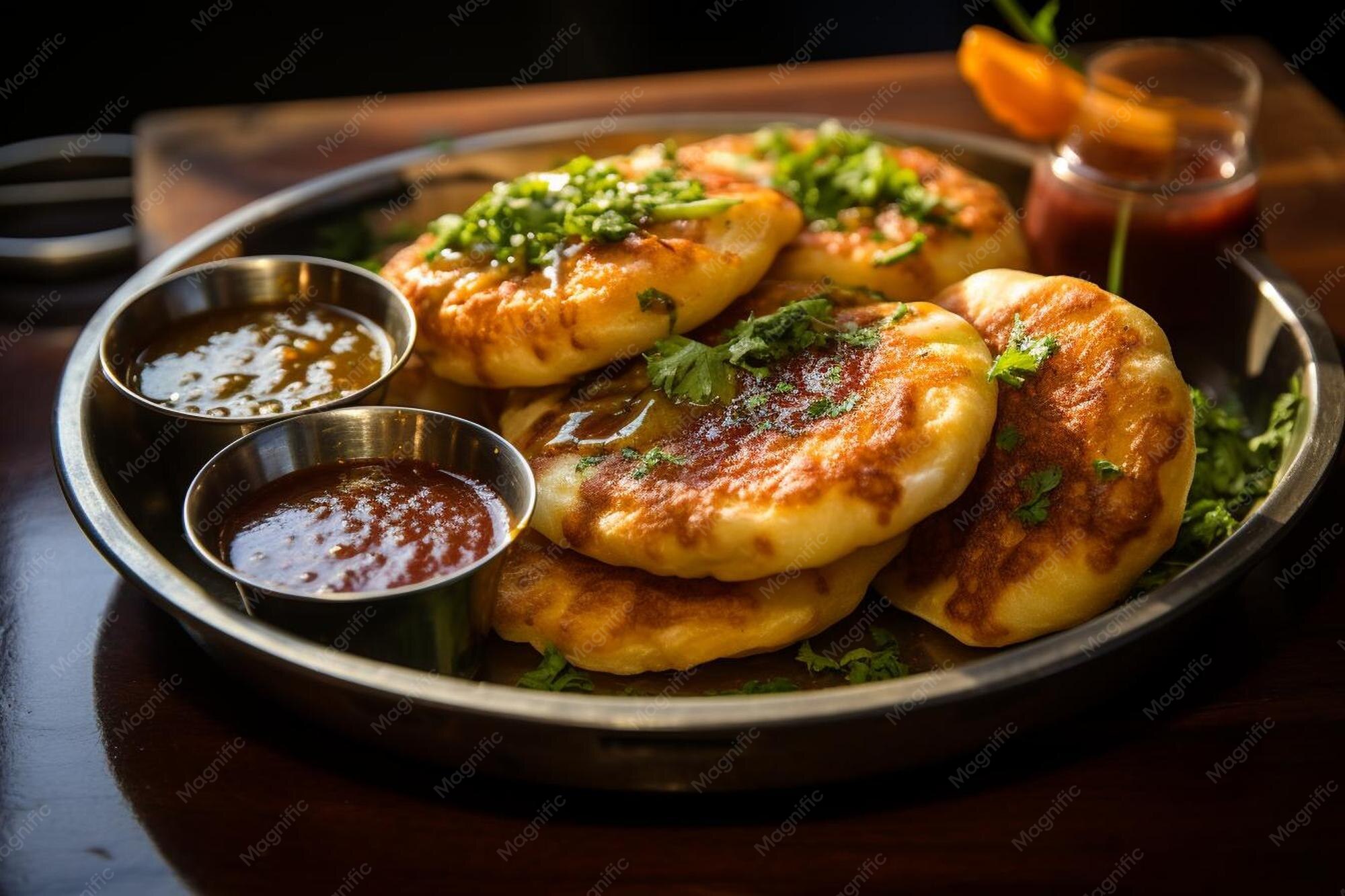
🌿 India on a Plate: A Historical Culinary Journey Region by Region
India is not just a country; it is a subcontinent, and its cuisine mirrors its geography and history: incredibly diverse, richly spiced, and deeply rooted in traditions and influences. The Indian regional cuisine historical Journey tells a unique story through its ingredients, cooking methods, and, above all, its use of spices. From the Himalayas to the beaches of Kerala, the Indian gastronomic journey is a captivating sensory expedition, shaped by the Mughals, trade exchanges, invasions, religious practices, and climate. Prepare to dive into the beating heart of Indian culture, one plate at a time.
I. North India: The Sumptuous Legacy of the Mughals
North Indian Regional Cuisine Historical Journey is often the one best known to the Western world, is a symphony of rich and creamy flavors. It is deeply marked by the influence of the Mughal Dynasty (Mughlai), which ruled over most of the country from the 16th to the 19th century.
A. Kashmir and Himachal Pradesh: Mountain Freshness and Wazwan
The cool climate of these mountainous regions dictates a comforting and warm cuisine.
Key Ingredients: Mutton, rice, yogurt (used as a marinade and thickening agent), cardamom, saffron, dried ginger.
Emblematic Dishes: The Wazwan, an elaborate Kashmiri feast consisting of 36 dishes, is the quintessence of their culinary tradition. It includes Rogan Josh (rich lamb curry), Yakhni (mutton curry with yogurt), and Rista (meatballs).
North Indian Regional Cuisine Historical Journey:: Kashmiri cuisine was refined by the arrival of Persian and Central Asian artisans and cooks in the 15th century, contributing to its unique sophistication.
B. Punjab, Delhi, and Uttar Pradesh: The Soul of the Tandoor and Creamy Curries
This is where the art of the Tandoor (clay oven) comes into its own, and where globally famous dishes were born.
Butter Chicken (or Murgh Makhani): a revisited Mughal dish, rich in tomatoes, cream, and butter.
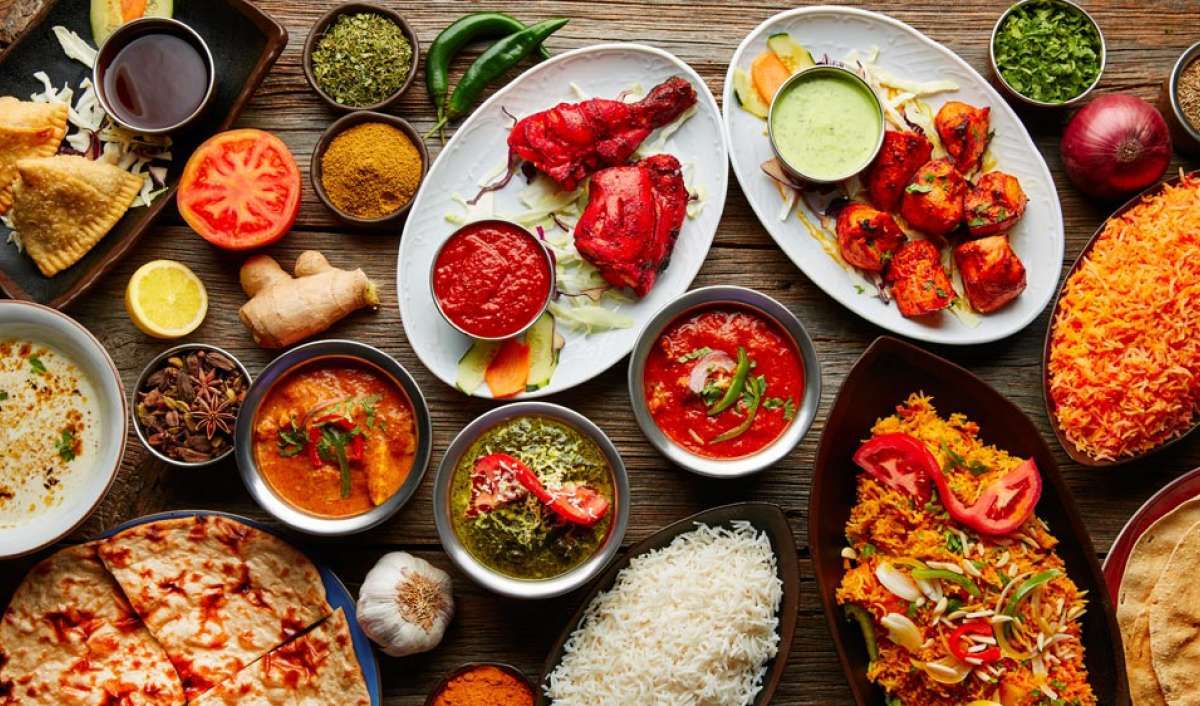
Tandoori Chicken: chicken marinated in yogurt and spices, cooked in the Tandoor.
Dal Makhani: creamy black lentils simmered with butter and cream.
Chole Bhature: a popular street food (spicy chickpea curry served with a fried bread).
North Indian Regional Cuisine Historical Journey:: The Mughal presence introduced the use of cream, dried fruits, and nuts, giving North Indian curries a richer, more velvety texture than their Southern counterparts. Intense agriculture (wheat) also made bread central to the diet.
II. West India: Sweetness and Spices of the Coasts and the Desert
The West Indian Regional Cuisine Historical Journey is a contrasts, ranging from the arid plains of Rajasthan to the lush coasts of Goa and Maharashtra.
A. Rajasthan and Gujarat: The Triumph of Vegetarianism and Aridity
These regions have a strong vegetarian tradition, mainly due to the influence of Jainism and certain branches of Hinduism. The dry climate dictates the use of ingredients that store well.
Key Ingredients: Legumes, millet (bajra), chickpeas, ghee, yogurt. Sugar and jaggery (palm sugar) are often used to balance spicy dishes (especially in Gujarat).
Emblematic Dishes:
Rajasthan:Dal Baati Churma (lentils, baked/smoked wheat balls, and a sweet crushed wheat dessert), Gatte ki Sabzi (chickpea flour dumpling curry).
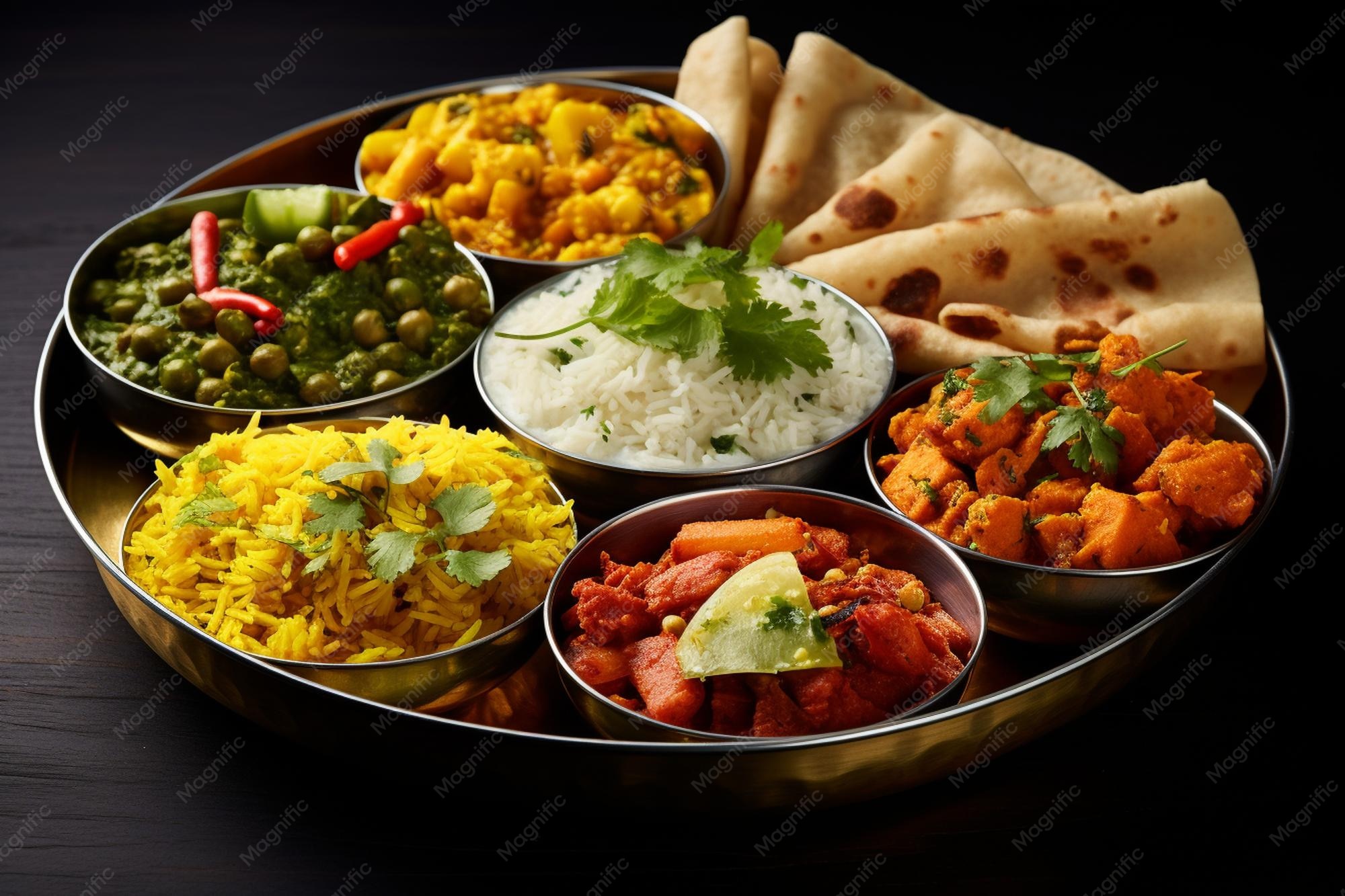
Gujarat: The Gujarati Thali (meal platter) is famous for its sweet-sour-spicy balance. Dhokla (a savory, spongy cake made from fermented chickpea flour) is a must-try.
West Indian Regional Cuisine Historical Journey: Long trade routes facilitated the exchange of spices and preservation methods. Rajasthan's cuisine is adapted to travel and lack of water, favoring dry foods and oil.
B. Goa and Maharashtra: Marine Flavors and the Portuguese Legacy
Coastal cuisine is logically dominated by seafood, but Goa has a unique flavor due to its colonial history.
Key Ingredients: Coconut, fish and seafood, rice, red chili, vinegar.
Emblematic Dishes:
Goa:Vindaloo, a famous curry based on pork or seafood, marinated in vinegar and plenty of chili. (Originally a Portuguese dish called carne de vinha d’alhos). Xacuti (curry of roasted spices and coconut).
Maharashtra:Vada Pav (street vegetarian sandwich, spicy fried potato in a bun), Puran Poli (sweet flatbread).
West Indian Regional Cuisine Historical Journey: The Portuguese occupation of Goa (1510-1961) introduced chili (which arrived from the New World via the Portuguese), vinegar, and pork consumption, radically distinguishing this cuisine from the rest of India.
III. East India: Rice, Fish, and Unforgettable Sweets
The eastern region, fertile and well-watered, is characterized by a significant consumption of rice and fish.
A. West Bengal and Orissa: The Praise of Water and Mustard Powder
Close to the Ganges and the Bay of Bengal, this cuisine uses little oil and focuses on subtle flavors and simple cooking.
Shorshe Ilish (Hilsa fish cooked in a mustard and poppy seed sauce).
Desserts: Bengal is the capital of sweets based on curdled milk (chhena), such as Rasgulla (cheese curd balls in syrup) and Mishti Doi (sweet fermented yogurt).
East Indian Regional Cuisine Historical Journey: The humid climate and abundance of water made rice and fish the pillars of this cuisine. Bengali cuisine values the use of whole spice blends, rather than ground, for fresher aromas.
B. The North-East (Assam, Meghalaya, Nagaland): Simplicity and Smoky Flavors
Away from Mughal influences, North-Eastern cuisine is closer to South-East Asia, favoring simplicity, fermentation, and aromatic herbs.
Key Ingredients: Sticky rice, fish, pork, fermented bamboo shoots, hot chilies (like Bhut Jolokia), fresh herbs.
Characteristics: Fewer complex spices, more herbs and fermented flavors. Cooking methods often include smoking or steaming.
Emblematic Dishes:Thukpa (Tibetan noodle soup), Momos (steamed dumplings), Masor Tenga (sour fish curry from Assam).
IV. South India: The Symphony of Coconut and Curry Leaves
South Indian cuisine is radically distinguished by its liberal use of coconut, rice, and tamarind for acidity.
A. Tamil Nadu, Kerala, and Karnataka: Rice, Coconut, and Dravidian Tradition
These coastal states have a light, fragrant, and largely vegetarian cuisine, using a lot of legumes.
Dosa, Idli, and Vada: served with Sambar (lentil and vegetable soup) and various Chutneys (sauces).
Rasam: a spicy and sour broth, often consumed after the meal.
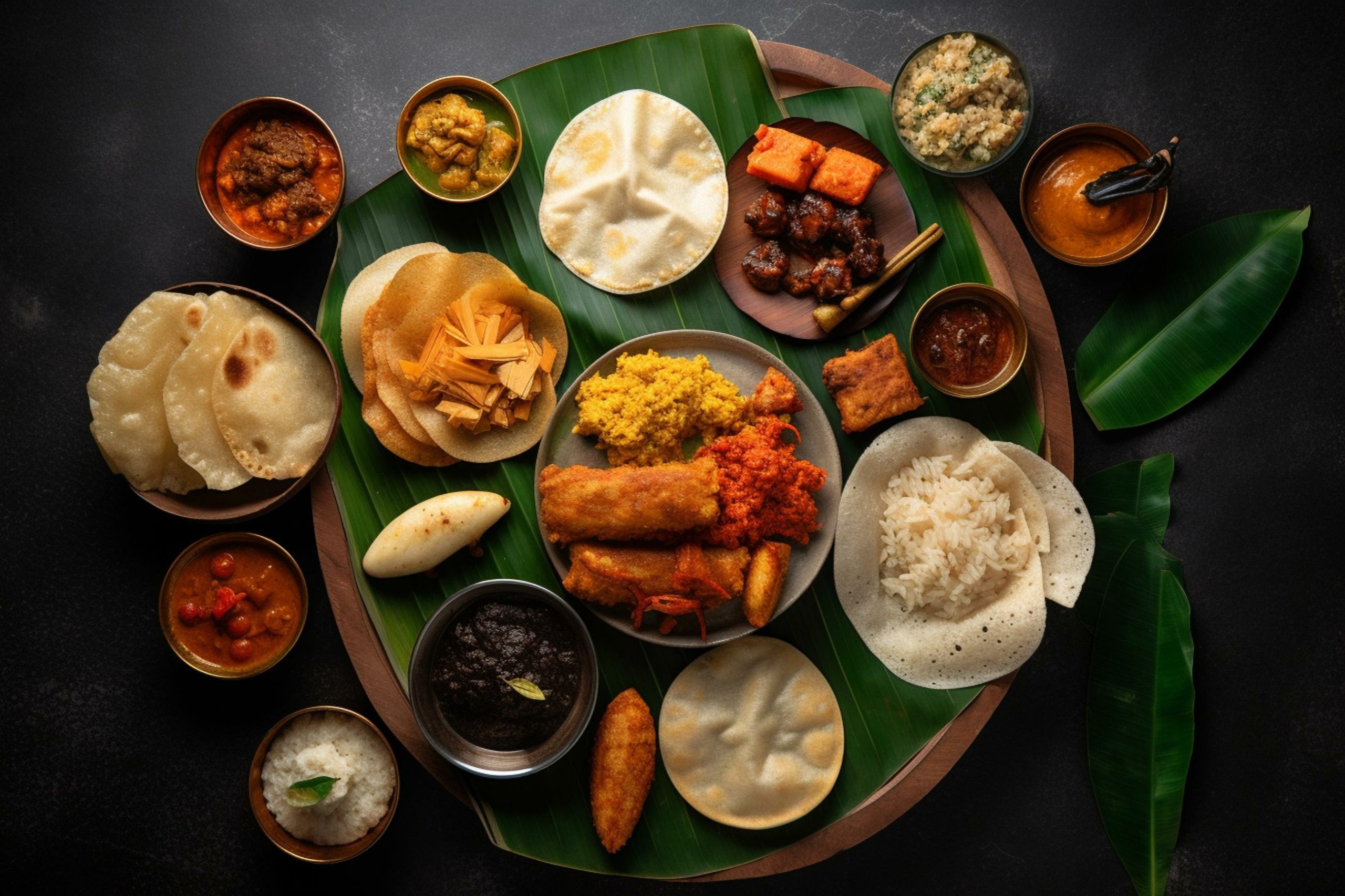
Kerala: Dishes are often served on a banana leaf (Sadya). Appam (thin pancake with coconut milk) and Ishtew (vegetable or meat stew with coconut milk) are famous.
Historical Influence: The ancient Dravidian culture and religious tradition (Hinduism) strongly encouraged vegetarianism. Hot climates also favored the development of lighter rice and coconut-based dishes. The abundance of the coast made coconut a central ingredient.
B. Andhra Pradesh and Telangana: The Chili Fever
These states are reputed to be the spiciest in India, with a massive use of chilies.
Key Ingredients: Red chilies, rice, chickpeas, ghee, mutton.
Emblematic Dishes:Hyderabadi Biryani (a rice and meat dish cooked by steaming) is world-famous. Andhra cuisine uses a lot of chili powder for intense curries (Kura).
South Indian Regional Cuisine Historical Journey: Hyderabad, the former capital of the Nizams (a Muslim dynasty), developed a Deccani cuisine that fuses Mughal techniques (Biryani) with Southern regional flavors (chilies, tamarind).
—---------------
V. Central India: The Crossroads of Flavors (Madhya Pradesh and Chhattisgarh)
Central India, including states like Madhya Pradesh (the "Heart of India") and Chhattisgarh, acts as a culinary bridge between the rich North and the lighter South. The cuisine here is robust, relying heavily on cereals and legumes, but it offers unique flavors thanks to its historical importance as a trade hub and its heavy forest cover, which influences local and tribal food traditions.
A. Madhya Pradesh and Chhattisgarh: Land of Grains and Simplicity
The region's cuisine is generally less rich than that influenced by the Mughals in the North, but more substantial than that of the Southern coasts, reflecting its inland and agrarian geography.
Key Ingredients: Wheat, corn, millet, lentils (especially toor dal and chana dal), milk, and yogurt. Street food is a major characteristic.
Emblematic Dishes:
Poha: Flattened rice seasoned with onions, spices, and often garnished with sev (crispy vermicelli) and lemon. It is a famous breakfast dish, particularly in Indore.
Bhutte ka Kees: Grated corn cooked with spices, milk, and ghee.
Dal Bafla: Wheat balls baked or steamed, then browned in ghee, served with dal (lentil soup) and churma (sweet crushed wheat).
Chhattisgarh:Fara (rice dumplings) and local preparations using rice flour and forest products.
Central Indian Regional Cuisine Historical Journey: Being in the center, the region absorbed influences from the West (Rajasthan/Gujarat) and the North (Delhi/Uttar Pradesh). The emphasis on wheat and dairy products reflects North Indian ties, while simple and quick preparations are common for travelers and the agrarian lifestyle.
—---------------
Conclusion: India, Mother of Spices and Sharing
From the richness of the Mughal Biryani to the freshness of the Kerala Dosas, Indian Regional Cuisine Historical Journey is a kaleidoscope of tastes, reflecting millennia of history, migrations, and exchanges. Each region, through its choice of ingredients and methods, offers a window into the local culture. Tasting Indian cuisine is embarking on a historical journey where every bite tells a legend of spices, kings, and traditions. It is this complexity and diversity that ensure Indian gastronomy an eternal place on the global culinary scene.