
0
0,0₫
0 items
India is not just a country; it is a subcontinent, and its cuisine mirrors its geography and history: incredibly diverse, richly spiced, and deeply rooted in traditions and influences. The Indian regional cuisine historical Journey tells a unique story through its ingredients, cooking methods, and, above all, its use of spices. From the Himalayas to the beaches of Kerala, the Indian gastronomic journey is a captivating sensory expedition, shaped by the Mughals, trade exchanges, invasions, religious practices, and climate. Prepare to dive into the beating heart of Indian culture, one plate at a time.
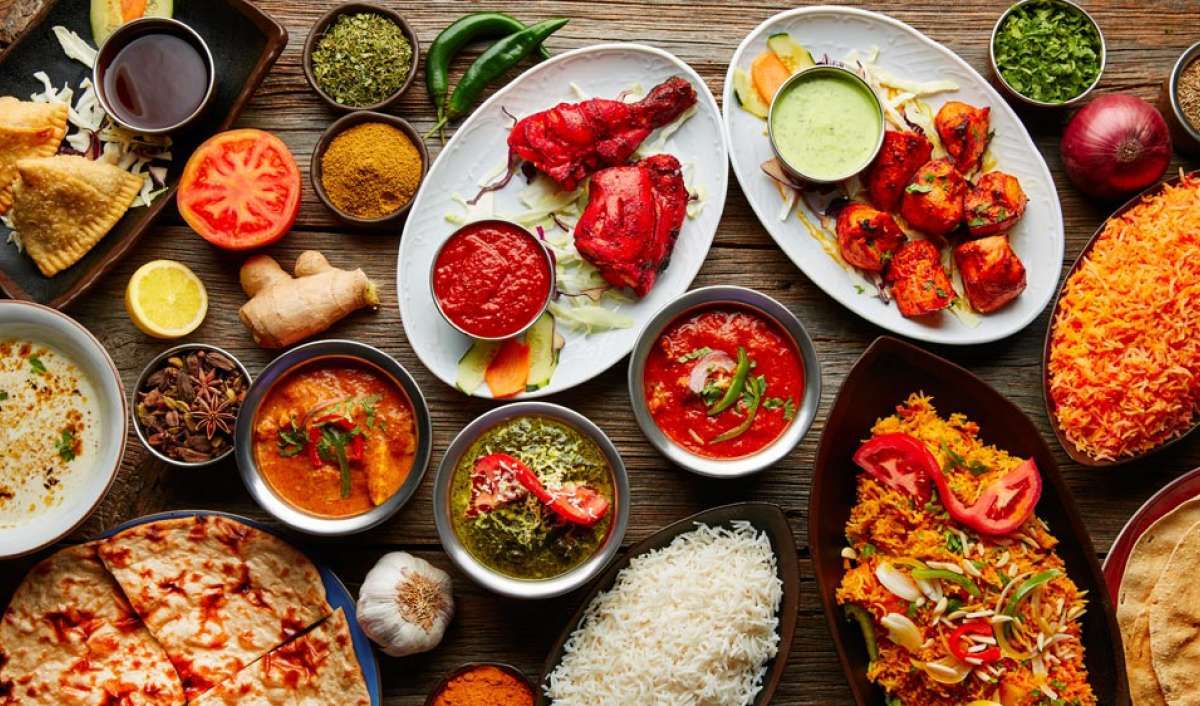
North Indian Regional Cuisine Historical Journey is often the one best known to the Western world, is a symphony of rich and creamy flavors. It is deeply marked by the influence of the Mughal Dynasty (Mughlai), which ruled over most of the country from the 16th to the 19th century.
The cool climate of these mountainous regions dictates a comforting and warm cuisine.
This is where the art of the Tandoor (clay oven) comes into its own, and where globally famous dishes were born.
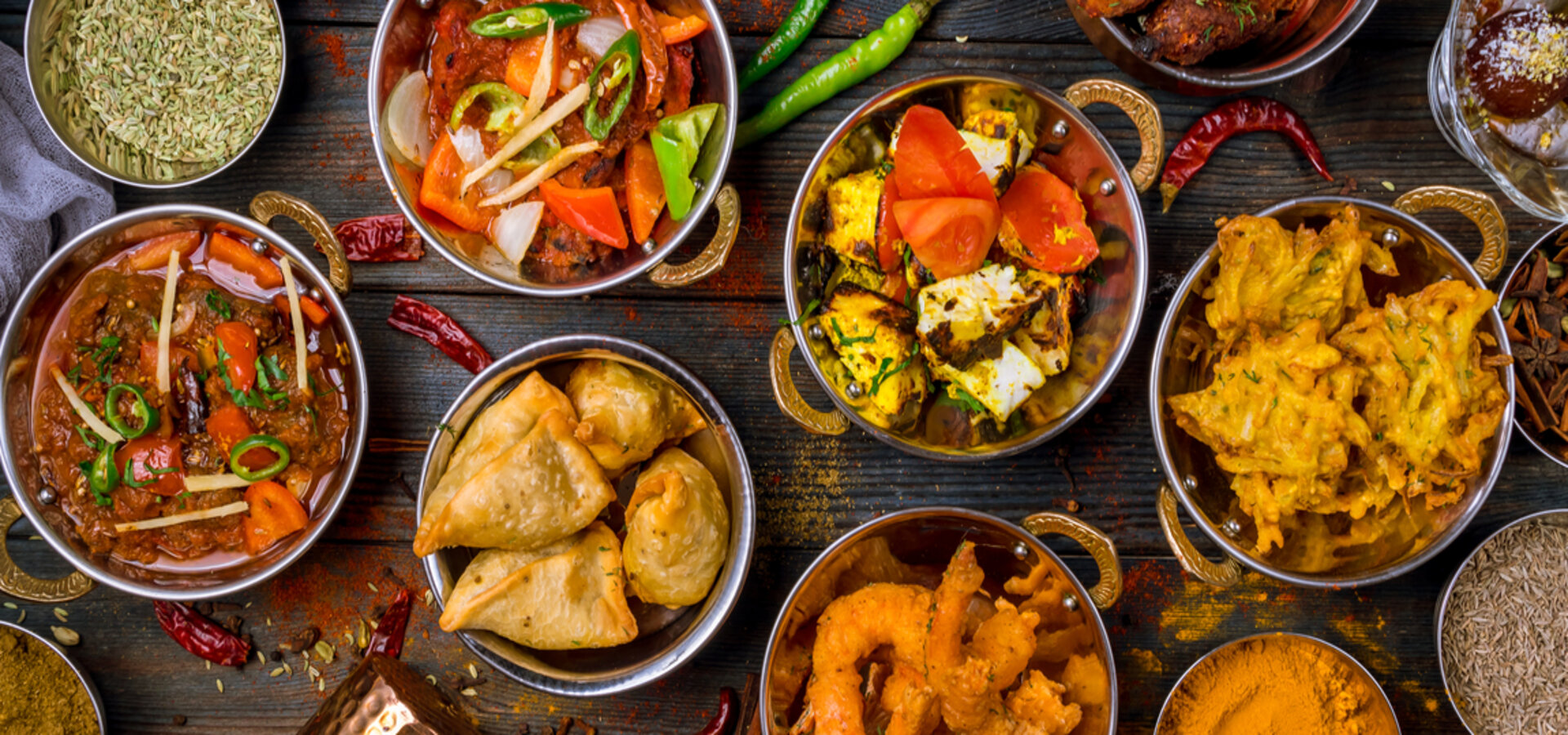
The West Indian Regional Cuisine Historical Journey is a contrasts, ranging from the arid plains of Rajasthan to the lush coasts of Goa and Maharashtra.
These regions have a strong vegetarian tradition, mainly due to the influence of Jainism and certain branches of Hinduism. The dry climate dictates the use of ingredients that store well.
Coastal cuisine is logically dominated by seafood, but Goa has a unique flavor due to its colonial history.
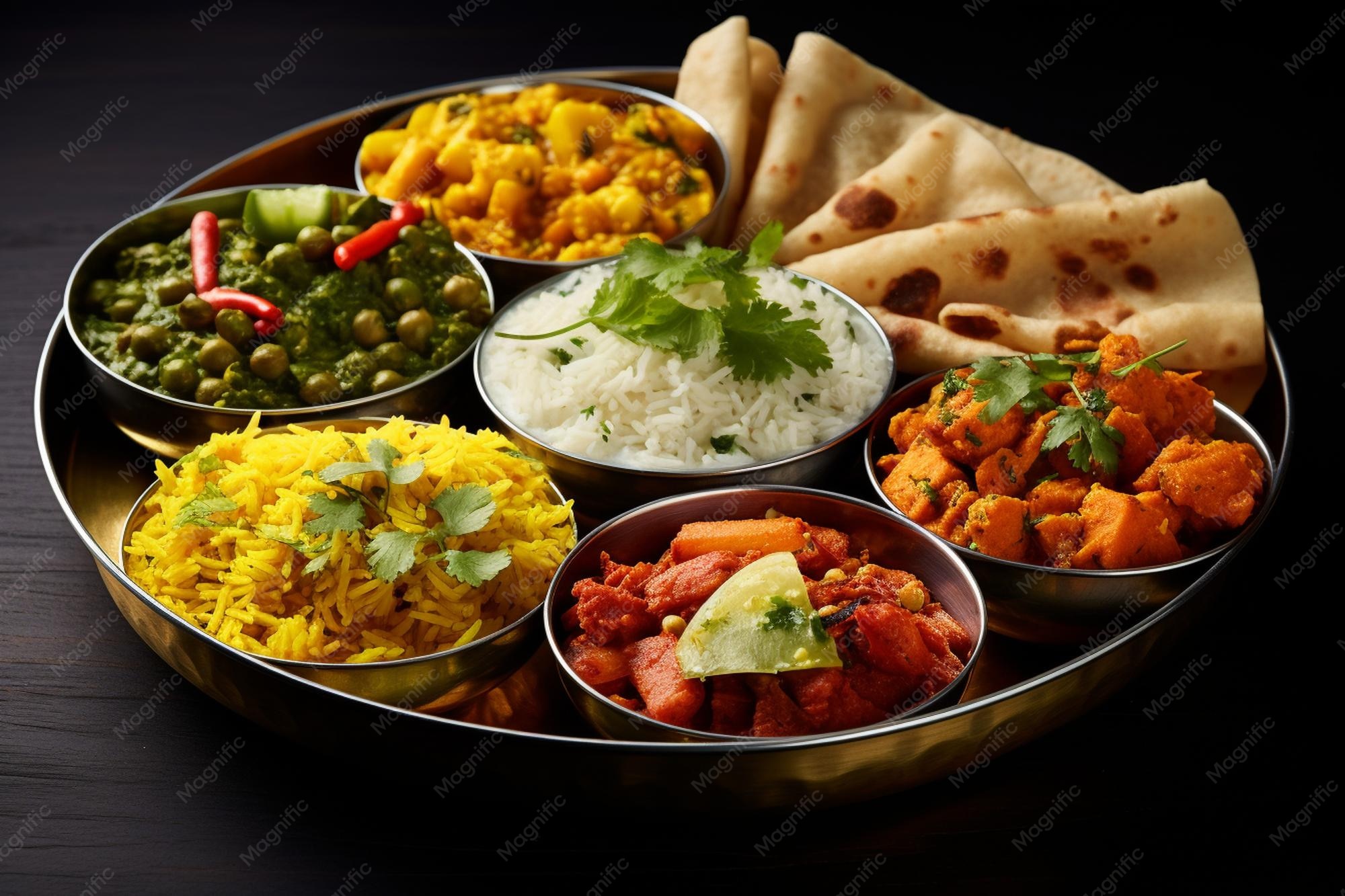
The eastern region, fertile and well-watered, is characterized by a significant consumption of rice and fish.
Close to the Ganges and the Bay of Bengal, this cuisine uses little oil and focuses on subtle flavors and simple cooking.
Away from Mughal influences, North-Eastern cuisine is closer to South-East Asia, favoring simplicity, fermentation, and aromatic herbs.
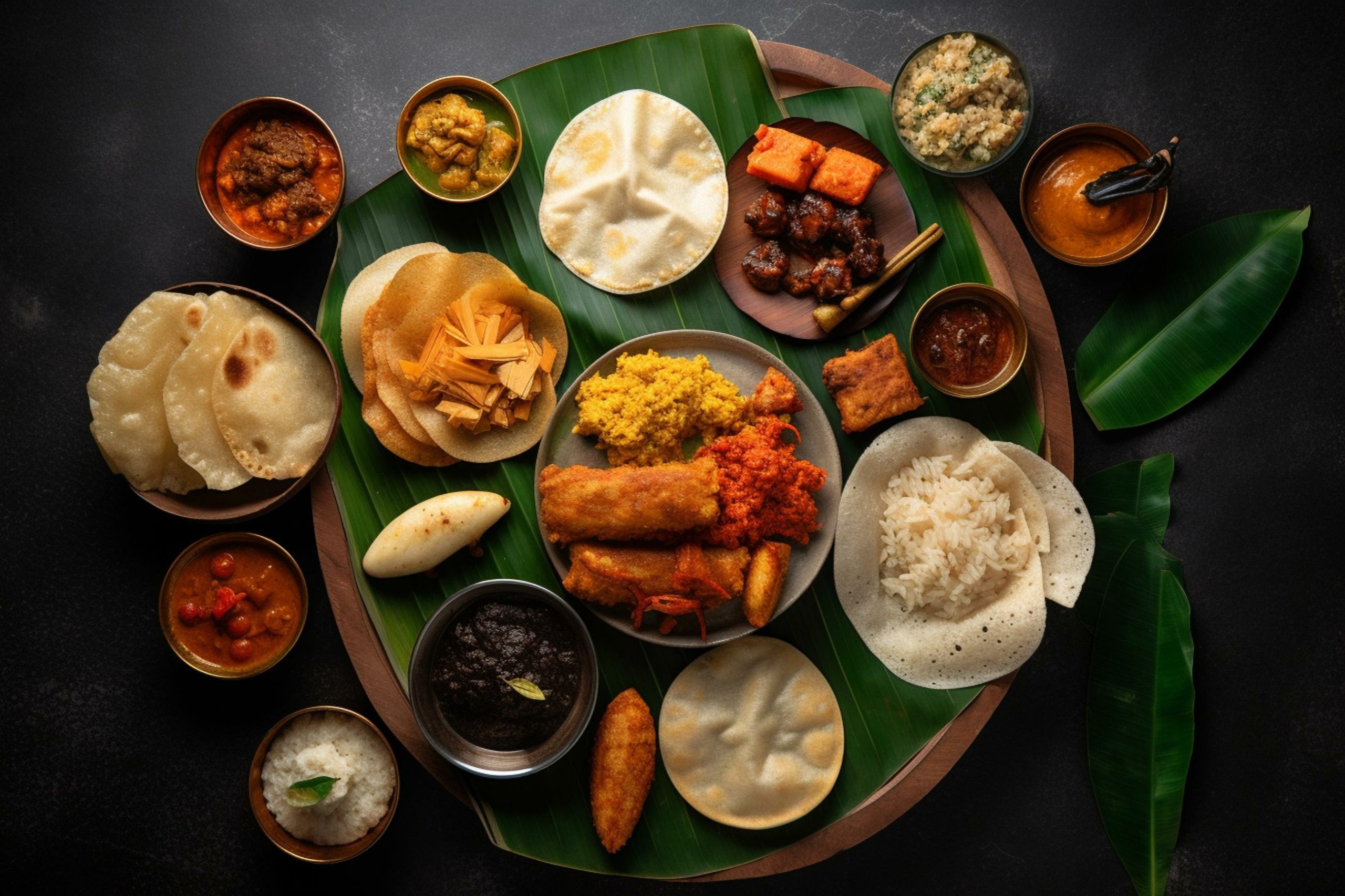
South Indian cuisine is radically distinguished by its liberal use of coconut, rice, and tamarind for acidity.
These coastal states have a light, fragrant, and largely vegetarian cuisine, using a lot of legumes.
These states are reputed to be the spiciest in India, with a massive use of chilies.
—---------------
Central India, including states like Madhya Pradesh (the "Heart of India") and Chhattisgarh, acts as a culinary bridge between the rich North and the lighter South. The cuisine here is robust, relying heavily on cereals and legumes, but it offers unique flavors thanks to its historical importance as a trade hub and its heavy forest cover, which influences local and tribal food traditions.
The region's cuisine is generally less rich than that influenced by the Mughals in the North, but more substantial than that of the Southern coasts, reflecting its inland and agrarian geography.
Central Indian Regional Cuisine Historical Journey: Being in the center, the region absorbed influences from the West (Rajasthan/Gujarat) and the North (Delhi/Uttar Pradesh). The emphasis on wheat and dairy products reflects North Indian ties, while simple and quick preparations are common for travelers and the agrarian lifestyle.
—---------------
Conclusion: India, Mother of Spices and Sharing
From the richness of the Mughal Biryani to the freshness of the Kerala Dosas, Indian Regional Cuisine Historical Journey is a kaleidoscope of tastes, reflecting millennia of history, migrations, and exchanges. Each region, through its choice of ingredients and methods, offers a window into the local culture. Tasting Indian cuisine is embarking on a historical journey where every bite tells a legend of spices, kings, and traditions. It is this complexity and diversity that ensure Indian gastronomy an eternal place on the global culinary scene.
Here is your Indian breads guide: from naan and roti to parathas, puris, bhaturas and kulchas, each bread has its own texture, origin, cooking method and ideal food pairing.
If you’ve ever wondered which Indian bread goes with which curry, or whether to choose naan, roti or paratha, this guide will give you all the clarity you need.
In this article, you'll learn:
✔ The major categories of Indian breads
✔ Which bread pairs best with which dish
✔ The pros and cons of each bread
✔ Which ones are vegan, vegetarian, halal or Jain-friendly
✔ Regional roots and traditions
✔ A practical guide to help you order with confidence
Indian breads can be grouped into three major categories depending on the cooking technique.
Traditional, light and wholesome.
Examples: Chapati, stuffed parathas
Best for: lentils, vegetable curries, daily meals


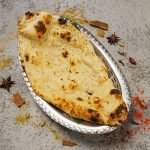
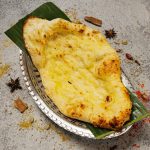
Soft, slightly smoky and lightly charred.
Examples: Naan, Garlic Naan, Butter Naan, Tandoori Roti
Best for: creamy curries, masalas, rich gravies



Crispy, fluffy and festive.
Examples: Puri, Bhatura
Best for: spicy chickpeas, street-food meals, weekend treats


Below is a detailed description of every bread we serve — including origin, texture, food pairings and dietary suitability.

A simple whole-wheat bread cooked on a hot plate.
Best with: lentils, light curries, vegetable dishes
Diet: Vegan, Jain, Halal
Why choose it: light, healthy, and easy to digest; the perfect everyday bread
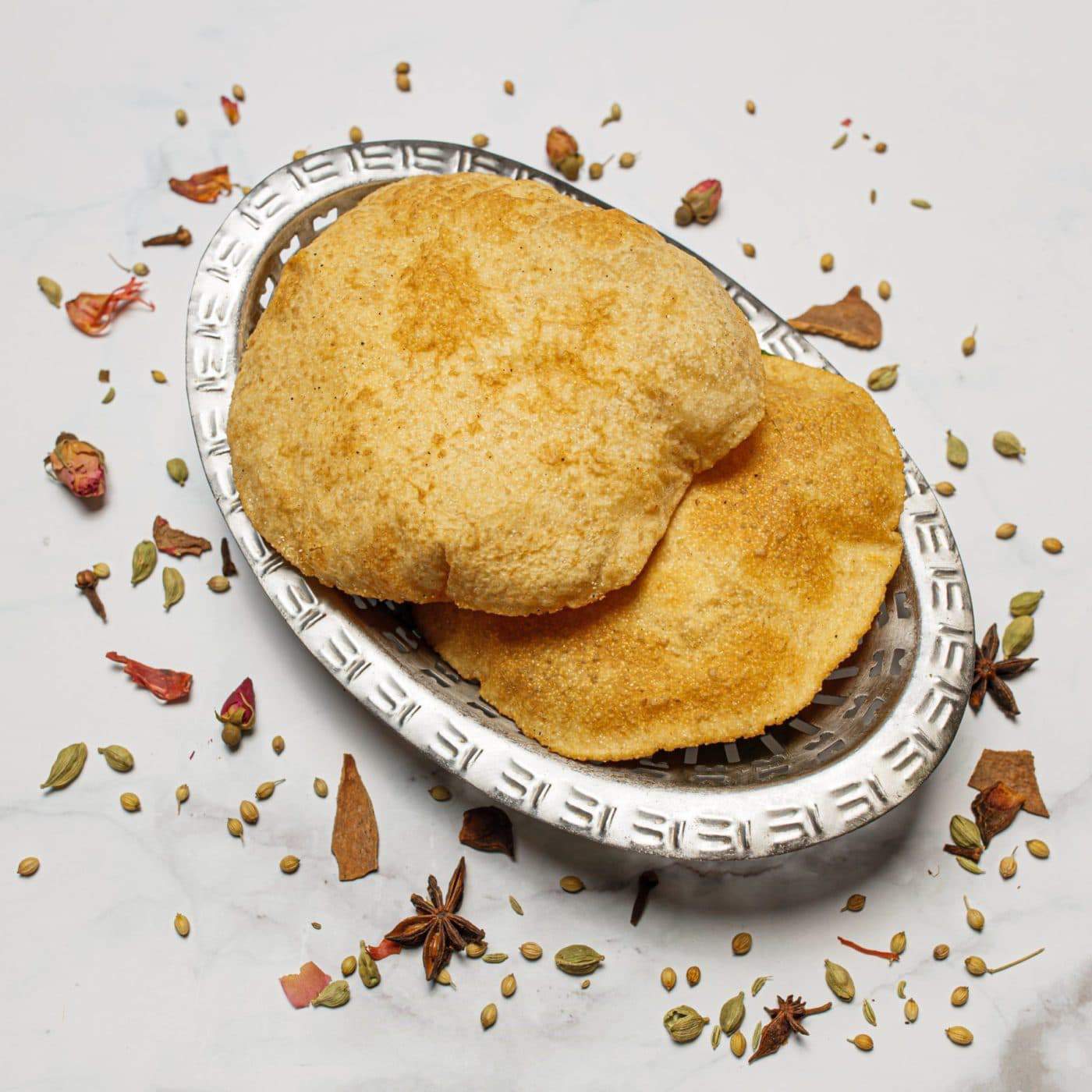
Deep-fried whole-wheat bread that puffs up beautifully.
Best with: chole (spiced chickpeas), potato curries
Diet: Vegan, Jain, Halal
Why choose it: festive, crispy, perfect with spicy dishes

A larger, fluffier fried bread made with refined flour.
Best with: chole bhature (Punjabi street food classic)
Diet: Vegan, Jain, Halal
Why choose it: indulgent and satisfying; a treat for brunch or festive occasions

Unleavened whole-wheat bread cooked in a tandoor.
Best with: creamy curries, dal makhani, paneer dishes
Diet: Vegan, Jain, Halal
Why choose it: smoky flavour without the heaviness of naan

Unleavened whole-wheat paratha cooked in a tandoor.
Best with: thick masalas, tikka dishes, paneer gravies
Diet: Vegan, Jain, Halal
Why choose it: crispy texture with a smoky flavor, perfect for soaking up rich sauces while remaining light

Soft, flaky, spiral-layered bread made with refined flour.
Best with: butter chicken, korma, tikka masala
Diet: Vegan, Jain, Halal
Why choose it: soft, flaky layers absorb sauces beautifully while adding a rich texture
Whole-wheat breads filled with potatoes, cauliflower or onions. A complete meal by themselves.
Best with: yogurt, pickles, dhal
Diet:
Aloo Paratha: Vegan, Jain, Halal
Gobi Paratha: Vegan, Jain, Halal
Onion Paratha: Vegan, Halal (not Jain)
Why choose them: hearty and flavorful, it can serve as a complete meal on its own

Crispy, mint-infused paratha.
Best with: spicy dishes — mint cools the palate
Diet: Vegan, Jain, Halal
Why choose it: mint balances heat and adds freshness to the meal

Unleavened refined-flour bread cooked in the tandoor.
Best with: butter chicken, tikka masala, creamy gravies
Diet: Vegan, Jain, Halal
Why choose it: soft, smoky, and versatile; a worldwide favorite

Same base as naan, topped with garlic.
Best with: mild curries, creamy dishes
Diet: Vegan, Jain, Halal
Why choose it: aromatic and flavorful; enhances simple curries

Classic naan brushed with butter.
Best with: all rich North Indian curries
Diet: Vegetarian, Jain, Halal
Why choose it: adds richness and flavor; indulgent choice for special meals

Naan filled with melted cheese.
Best with: kids, mild curries, tomato-based gravies
Diet: Vegetarian, Halal
Why choose it: soft, creamy, and comforting; perfect for cheese lovers

Refined-flour bread filled with seasoned potatoes.
Best with: dhal makhani, creamy curries
Diet: Vegan, Jain, Halal
Why choose it: flavorful and soft; a delicious alternative to plain paratha

A more aromatic and flavourful version of kulcha.
Best with: medium to spicy curries
Diet: Vegan, Halal (not Jain)
Why choose it: savory and aromatic; perfect with North Indian dishes

Soft bread with a rich paneer filling.
Best with: tikka masala, paneer gravies
Diet: Vegetarian, Halal
Why choose it: creamy and protein-rich; great for mild curries

A speciality naan featuring a sweet nut-and-raisin mix.
Best with: spicy curries (perfect contrast)
Diet: Vegan, Jain, Halal
Why choose it: sweet and savory contrast; adds an exotic touch to the meal

Rich naan filled with spiced minced lamb.
Best with: as a standalone meal or with dal
Diet: Halal (depending on meat), not vegetarian/vegan
Why choose it: rich, filling, and intensely flavorful; perfect for meat lovers
Naan, Garlic Naan, Butter Naan, Cheese Naan, Lacha Paratha, Paneer Kulcha
Tawa Chapati, Tandoori Roti
Pudina Paratha, Peshawari Naan
Puri, Bhatura
Aloo Paratha, Gobi Paratha, Masala Kulcha, Keema Naan
They balance strong spices
They provide texture and richness
They help deepen flavour without adding heaviness
They allow diners to customise each bite
They connect deeply with regional culinary traditions
Indian breads are more than just side dishes—they are an integral part of the country’s culinary heritage. Roti and chapati, made from whole wheat, are staples across North India, especially in Punjab, Rajasthan, and Uttar Pradesh, reflecting a diet centered on wheat and legumes. Parathas, often layered or stuffed with vegetables, potatoes, or paneer, originated as hearty breads that could serve as a complete meal.
Naan and tandoori breads trace back to Mughal kitchens, baked in clay tandoors to achieve their signature smoky flavor. They are traditionally paired with rich, creamy curries, gravies, and tikkas. Fried breads like puri and bhatura are typically associated with festive occasions, religious celebrations, or weekend feasts, highlighting indulgence in Indian food culture.
Sweet breads such as Peshawari naan showcase the Indian love for balancing flavors, combining subtle sweetness with savory dishes. Knowing the history, regional roots, and traditional pairings of Indian breads helps you choose the right bread for each meal and appreciate the cultural significance behind every bite.
Choosing the right Indian bread depends on:
✔ Your dish (creamy, spicy, dry, or light)
✔ Your preference for light or indulgent
✔ Your dietary needs (vegan, vegetarian, halal, Jain)
✔ The texture you enjoy (soft, crispy, fried, stuffed)
With this Indian breads guide, you can confidently select the perfect bread for any Indian meal — whether you love the smoky softness of naan, the comforting flavours of parathas, or the festive crispiness of puri and bhatura.
Since opening its first doors in 1997, Tandoor has been synonymous with best Indian restaurant in HCMC and authentic Indian cuisine. With two central branches — on Ngô Đức Kế and Lê Thánh Tôn — the restaurant draws a diverse clientele: Indian expatriates craving home-style dishes, Vietnamese food lovers exploring new flavors, and international travelers and expatriates looking for comfort in a curry. B
Nearly three decades later, the question arises: does Tandoor still live up to its reputation as one of Saigon’s best Indian restaurants?
To find out, we analyzed recent Google and TripAdvisor reviews from both branches. The result is a balanced, data-driven snapshot of what diners love — and where there’s room for improvement.

On TripAdvisor, Tandoor’s Ngô Đức Kế branch boasts around 882 reviews with an average rating of 4.2/5.
On Google Reviews, the figures are even stronger:
This volume of feedback positions Tandoor as the most reviewed Indian restaurants in Ho Chi Minh City, a mark of consistent customer engagement and visibility.
In a digital era where quantity often validates quality, no competitors in Saigon’s Indian dining scene can match Tandoor’s breadth of customer response.
If there’s one thing nearly all 5-star reviewers agree on, it’s that Tandoor tastes like India itself.
Guests praise the balance of spices, freshness of ingredients, and authenticity of preparation. Favorites frequently mentioned include Butter Chicken, Prawn Curry, Chicken Biryani, and the ever-popular Garlic Naan.
One guest wrote:
“The food feels homemade — rich, aromatic, and full of layers. You can tell the chefs cook with love, not shortcuts.”
A distinct hallmark of Tandoor’s menu is its halal meat selection and wide range of vegetarian and vegan dishes, including Palak Paneer, Chana Masala, and Vegetable Biryani. These options make it accessible to a wide audience — from devout vegetarians to health-conscious locals.


Reviewers consistently highlight Tandoor’s team for their warmth and professionalism. Indian servers such as Trilochan and Taj Bhai are often mentioned by name — praised for their menu recommendations, friendly smiles, and effortless communication in English, Vietnamese, and Hindi.
It’s a reflection of the restaurant’s stability and management philosophy: Tandoor remains independently owned and operated by Ms. Thảo, its founder since 1997. Most key staff have been with the brand for over a decade, a rarity in Saigon’s fast-changing F&B landscape.
“They greet you like family. You can feel the pride in what they do.”


Guests appreciate Tandoor’s modern minimalist décor — with warm grey tones, soft lighting, and subtle Indian motifs that blend tradition and modernity.
The Ngô Đức Kế location, in particular, is often described as clean, calm, and well-managed, while the Lê Thánh Tôn branch appeals to groups and families for its livelier setting.
Price-to-quality ratio remains one of Tandoor’s standout strengths. Signature dishes range between 180,000 – 320,000 VND, offering exceptional value for a downtown venue.
“For central Saigon, the portions are generous and prices haven’t changed much in years — a rare thing in District 1.”
Vietnamese guests also praise how Tandoor adapts its spice levels: by default, dishes are mild enough for local tastes, but can be adjusted to ‘Indian spicy’ upon request.


Even loyal customers share small notes of feedback — and these, too, are telling.
A recurring point of frustration, especially at the Lê Thánh Tôn branch, is space management. The restaurant’s popularity sometimes leads to crowding and delays.
“The food was great, but the place felt a bit congested. Reducing a few tables would make it perfect.”
Guests recommend making reservations in advance, particularly during peak dinner hours. Walk-ins may have to wait for a table, as both locations are frequently full.
Parking can also be limited, though private parking areas are available nearby for convenience.
A few diners noted occasional inconsistencies — particularly in biryani texture, naan size, or spice accuracy:
“Ordered Indian-level spicy, but it came out mild. Still delicious, just not fiery enough!”
Such remarks are rare compared to praise but valuable for keeping the kitchen’s standards consistently high.

Several comments pointed to tight table spacing, especially in the Lê Thánh Tôn branch, which prioritizes group seating. While it enhances capacity, it can reduce comfort during peak times.
That said, most diners still rate ambiance positively, suggesting these are minor layout issues rather than deal-breakers.
With nearly 3,000 Google reviews across both branches, Tandoor remains the most visible and trusted Indian restaurants in Ho Chi Minh City.
Publications like Vietcetera and Saigoneer have repeatedly featured Tandoor among the city’s best, calling it “a consistent downtown eatery with bold flavors and long-standing authenticity.” and « The best Indian restaurant in HCMC".
In a market increasingly filled with new Indian brands, Tandoor’s heritage, consistency, and bilingual service give it a unique advantage — not just as a restaurant, but as an institution in Saigon’s dining scene.
Expect authentic Indian flavors, clean surroundings, and friendly service that makes you feel at home. The menu caters to both first-time explorers and seasoned curry lovers, with flexibility in spice levels and dietary needs.
Book ahead for dinner or weekends to avoid waiting, and don’t hesitate to ask for your dish “extra spicy” if you like heat.

Your reviews matter. They continue to help Tandoor refine its service and maintain its leadership. Constructive feedback has already led to more attentive reservation handling and tighter kitchen consistency.
After analyzing hundreds of guest reviews from both Ngô Đức Kế and Lê Thánh Tôn, one conclusion is clear: Tandoor remains one of Saigon’s most reliable and authentic Indian restaurants. Most reviews actually state that it's the best Indian restaurant in HCMC
It’s a place where tradition meets hospitality — where the naan is warm, the curry rich, and the staff’s smiles genuine.
For newcomers, Tandoor offers a taste of India in the heart of Saigon. For long-time patrons, it’s a reminder that consistency, authenticity, and heart still define great dining.
“You come once for the food — you come back for the people.”